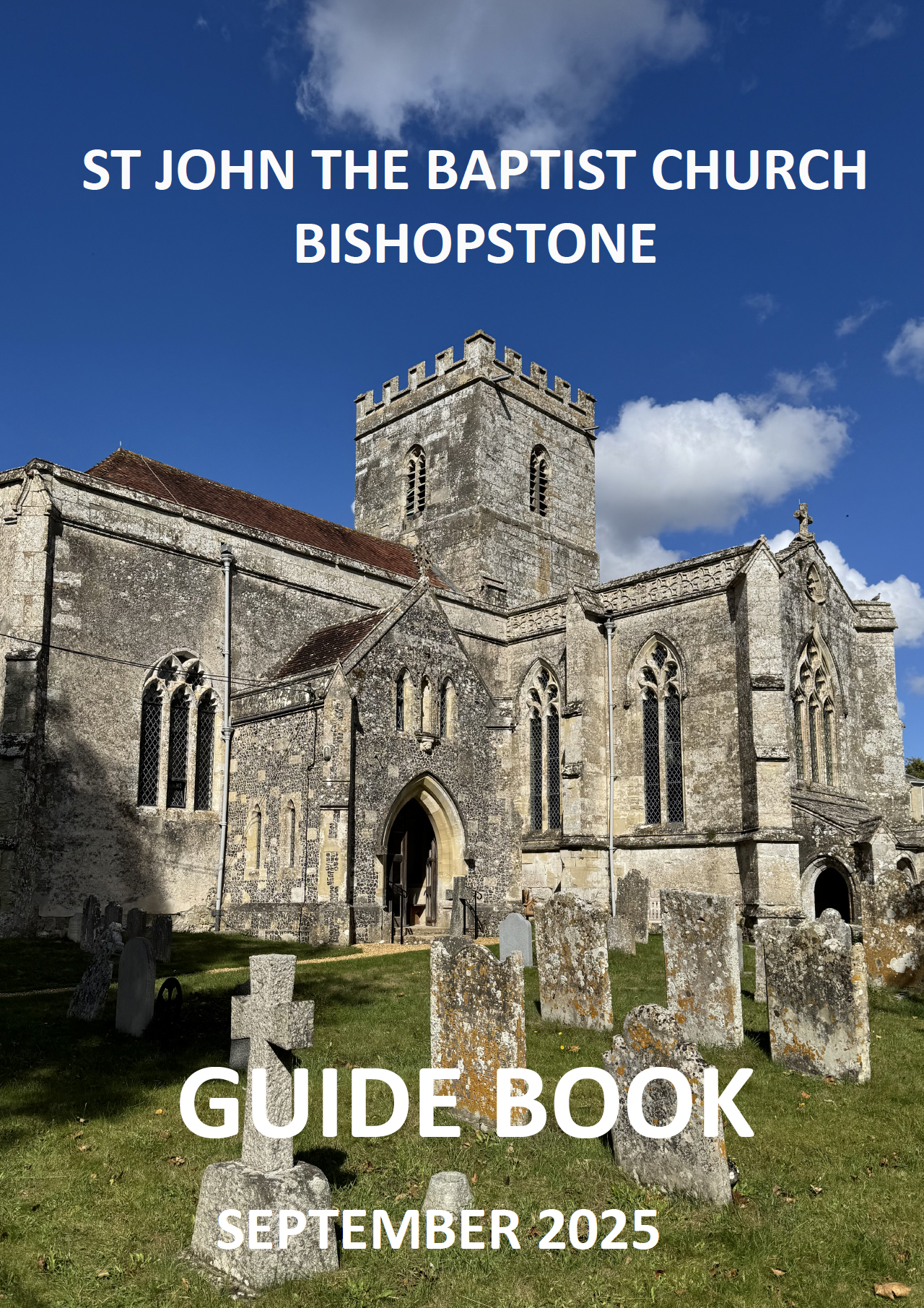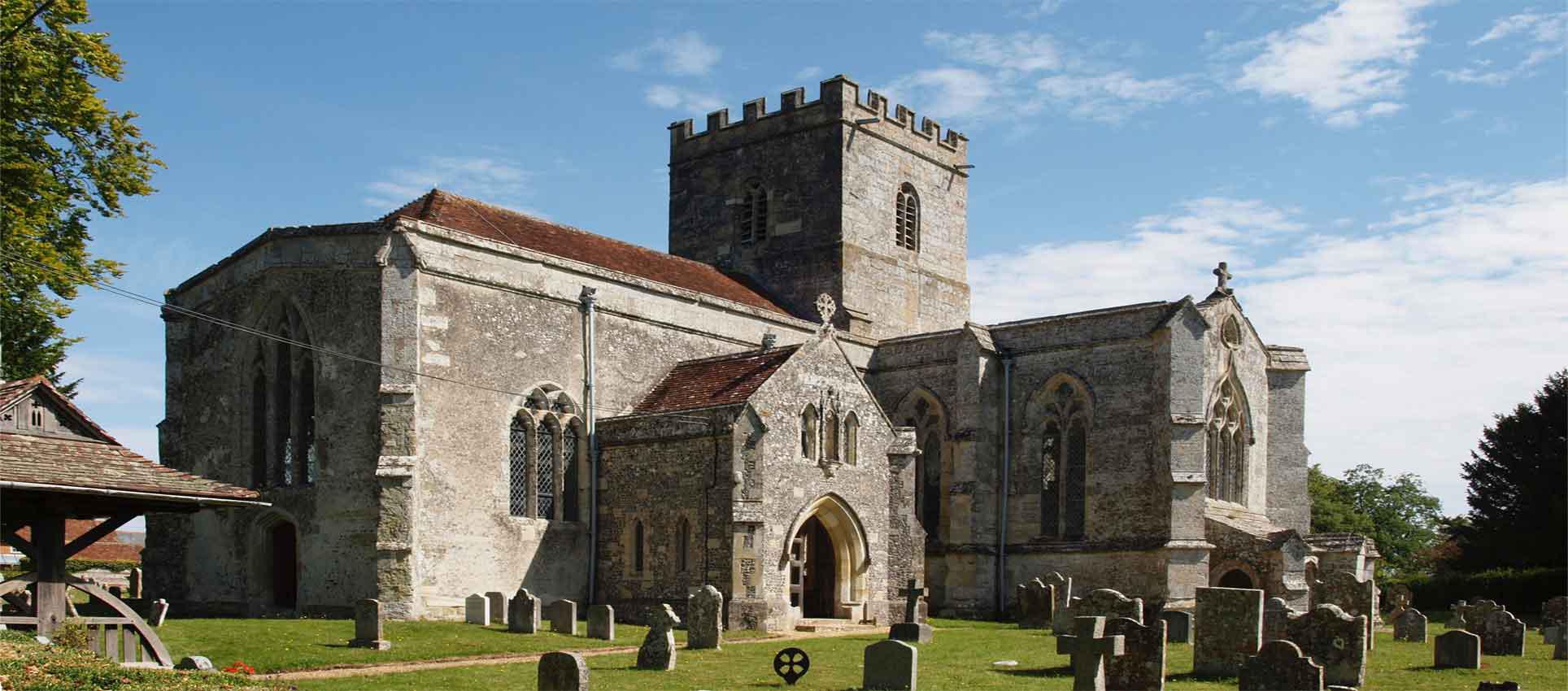
Church of St John the Baptist, Bishopstone
OgImage:
Bishopstone is fortunate to have a beautiful church which has served the community through the generations. It continues to welcome everyone for the important events in their lives - baptisms, weddings and funerals, for major festivals – Christmas, Easter and Harvest, and on village occasions such as Remembrance Sunday. Although the building no longer stands at the centre of the Village, the church congregation is very much at the heart of the community, providing services in the village hall, arranging children’s workshops, visiting and providing pastoral care to those in need and ensuring that the parish magazine (STaB) is delivered free to every house in the parish.
A church has existed on the site of St John the Baptist since around 1225, although most of the present structure dates from the 14th century. The church is listed Grade 1 in Historic England’s list of Buildings of Architectural or Historic Interest and is described as “an important and large village church”. It also features in Simon Jenkins’ book on England’s thousand best churches.
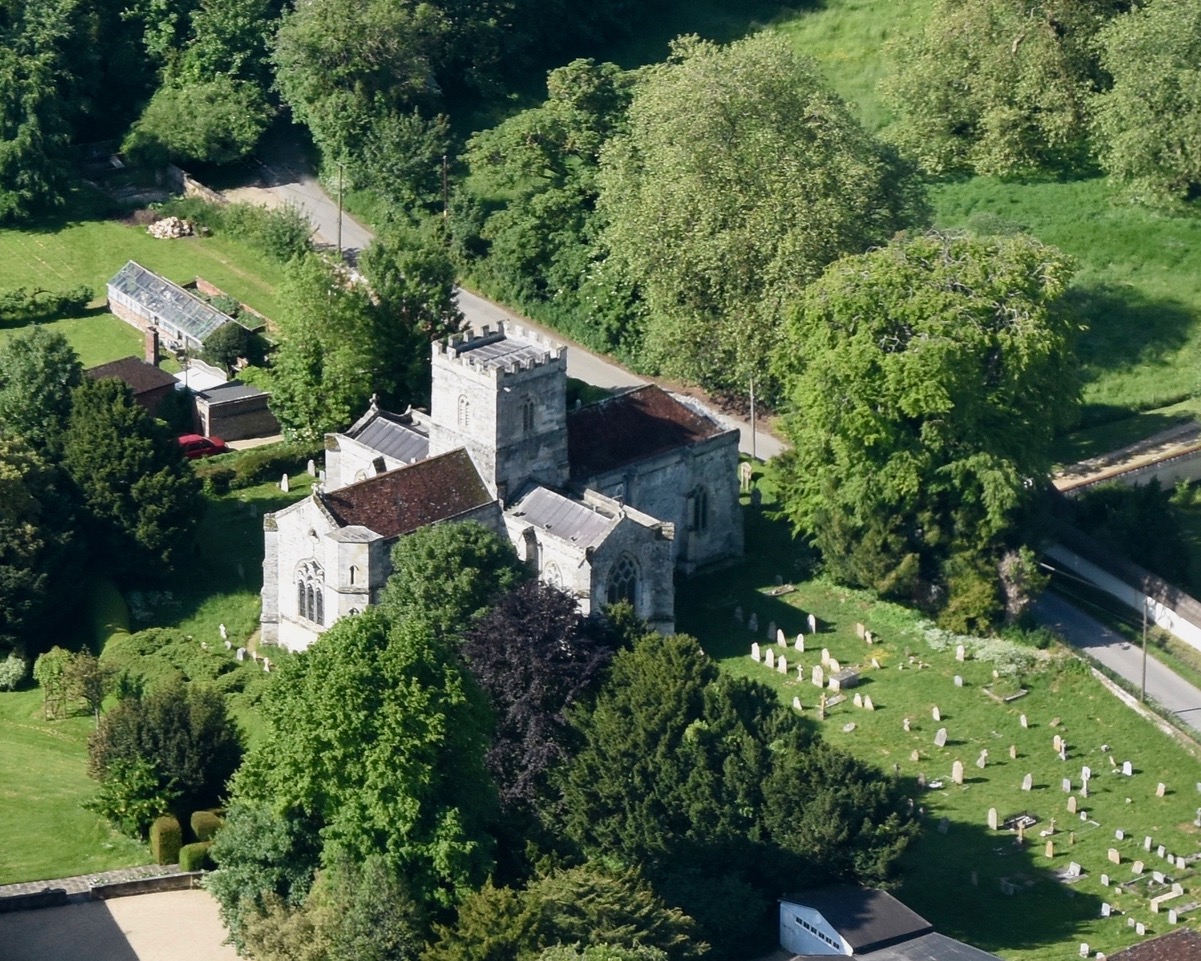
The church sits within the original village of Bishopstone, much of which was abandoned during incidents of the plague. There are signs of a deserted medieval village to the east of the church and today most of the village is in developments to the west. The land on which the church was built was endowed to the Bishops of Winchester who became the patrons and Lords of the Manor of Bishopstone. This continued until the late 16th century when the living was given to the Earls of Pembroke after the Reformation.
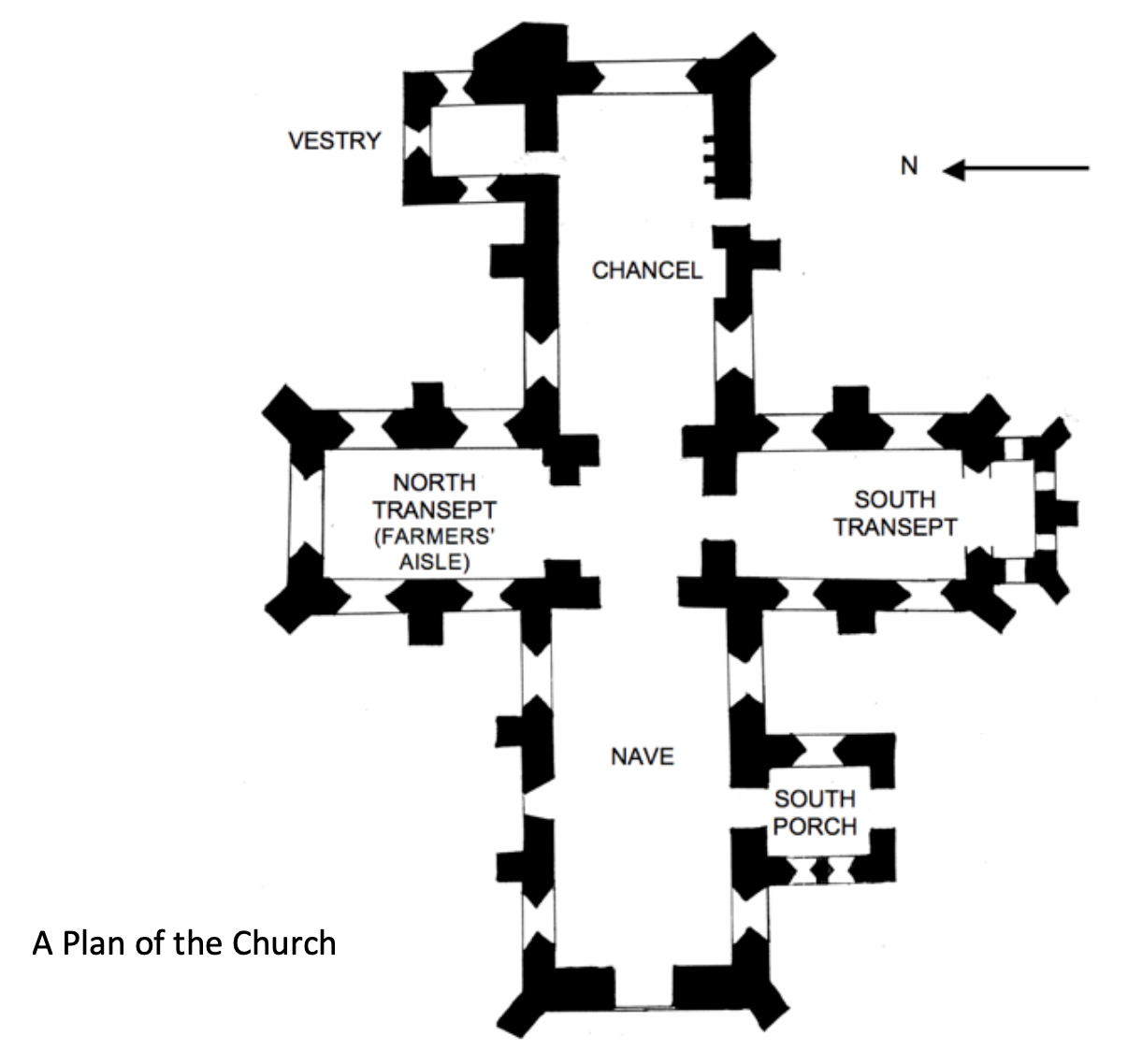
There are traces of a 12th century building on this site in the rubble walls of the Nave and in a small arch with a Norman head in the Crossing. By the late 13th century the church had a cruciform plan. However, in the mid 14th century the church was extensively rebuilt or altered so that, at least from the outside, little of the earlier work can be seen.
The Chancel and South Transept were rebuilt in ashlar and given vaulted ceilings. They are of fine craftsmanship and are described in "Parish Churches of Wiltshire" as being a near perfect example of a building from the 14th century. The North Transept is less elaborate than the South but has similar flowing tracery in the windows. It appears that both transepts were built as chapels. The remodelling of the Nave was probably slightly later and was also less elaborate. The walls were heightened and new windows and buttresses added. The short upper stage of the tower, probably built soon after 1406, had a bell chamber which eventually held three bells and carried the wooden spire that was extant in 1567. The final structural addition was the 15th century porch of two storeys. This was replaced in 1884.
During the 19th century further major alterations were carried out, in particular during the tenure of the rector The Reverend George Augustus Montgomery 1821-1842. On his travels in Seville, Spain he acquired several pieces of richly carved continental woodwork that were subsequently installed in the church.
A detailed guide to the church is available from The Friends of Bishopstone Church (see next page on this website).